Skills & Personal Development
12 Key Skills College Students Should Build That AI Cannot Replace
AUTHOR: Bewise-Admin


Skills Beyond Artificial Intelligence
It's commonplace for college students to question what skills will continue to be human attributes, considering the amount of work that artificial intelligence (AI) is doing in automating processes and changing the way entire industries work.
The ever-changing modern world still relies on human factors such as emotional understanding, creativity, and ethical reasoning, which still give us an edge over machines. Here is a list of all 12 skills that college students should hone to prepare them for a world driven by AI.
1. Critical Thinking
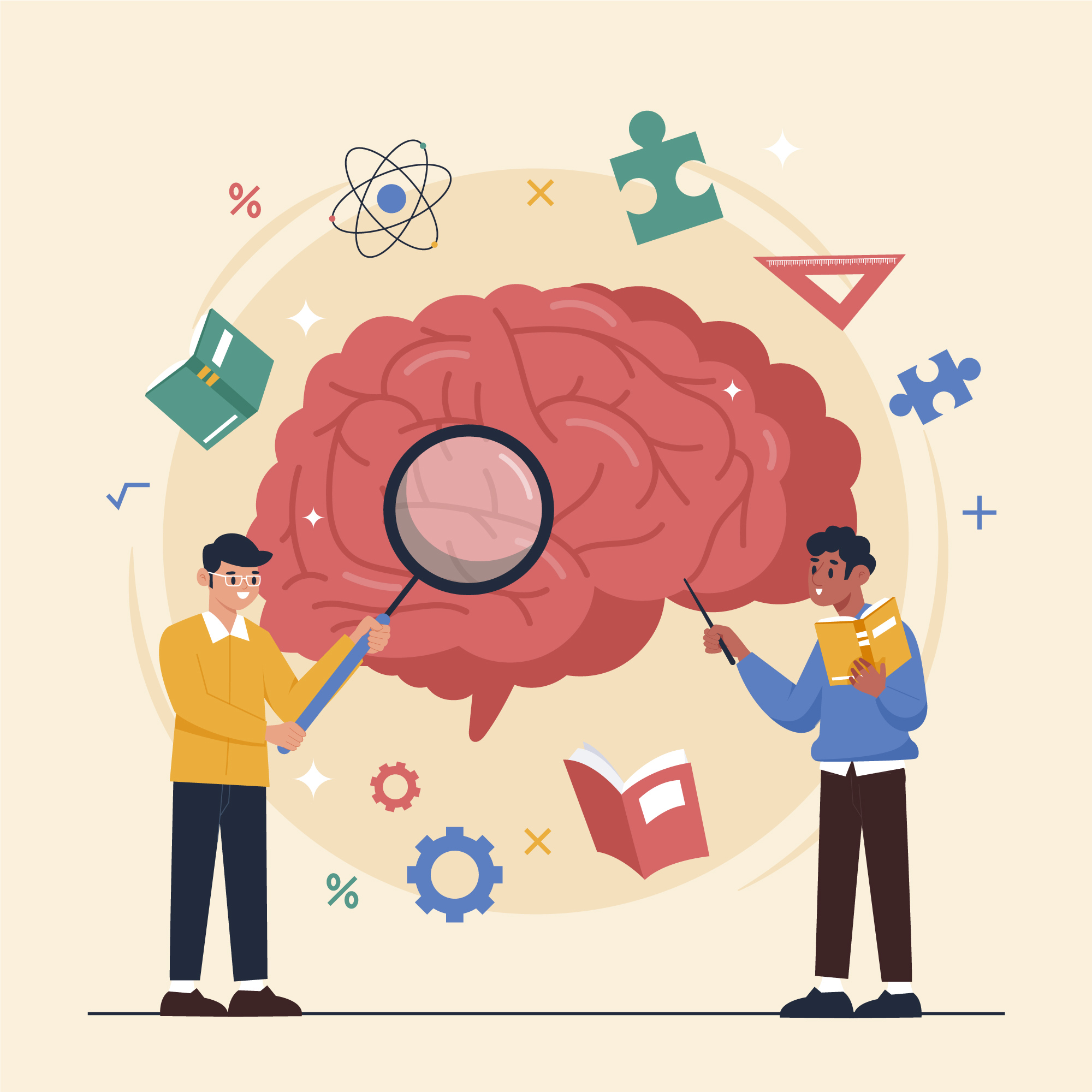
Making decisions based on evaluating a particular situation along with its evidence is something only a human is capable of doing. AI can perform valuable functions such as data processing but cannot compute multi-layered judgment which breaks down and solves problems ethically and holistically.
So how can you improving critical thinking, let’s see below:
- Active Reading: Rather than simply core reading texts, question their validity and identify biases related to them.
- Encourage Debate: Be opinionated, as doing so allows you to construct your perspective.
- Engage in logical reasoning activities such as puzzles and brain teasers.
2. Creativity
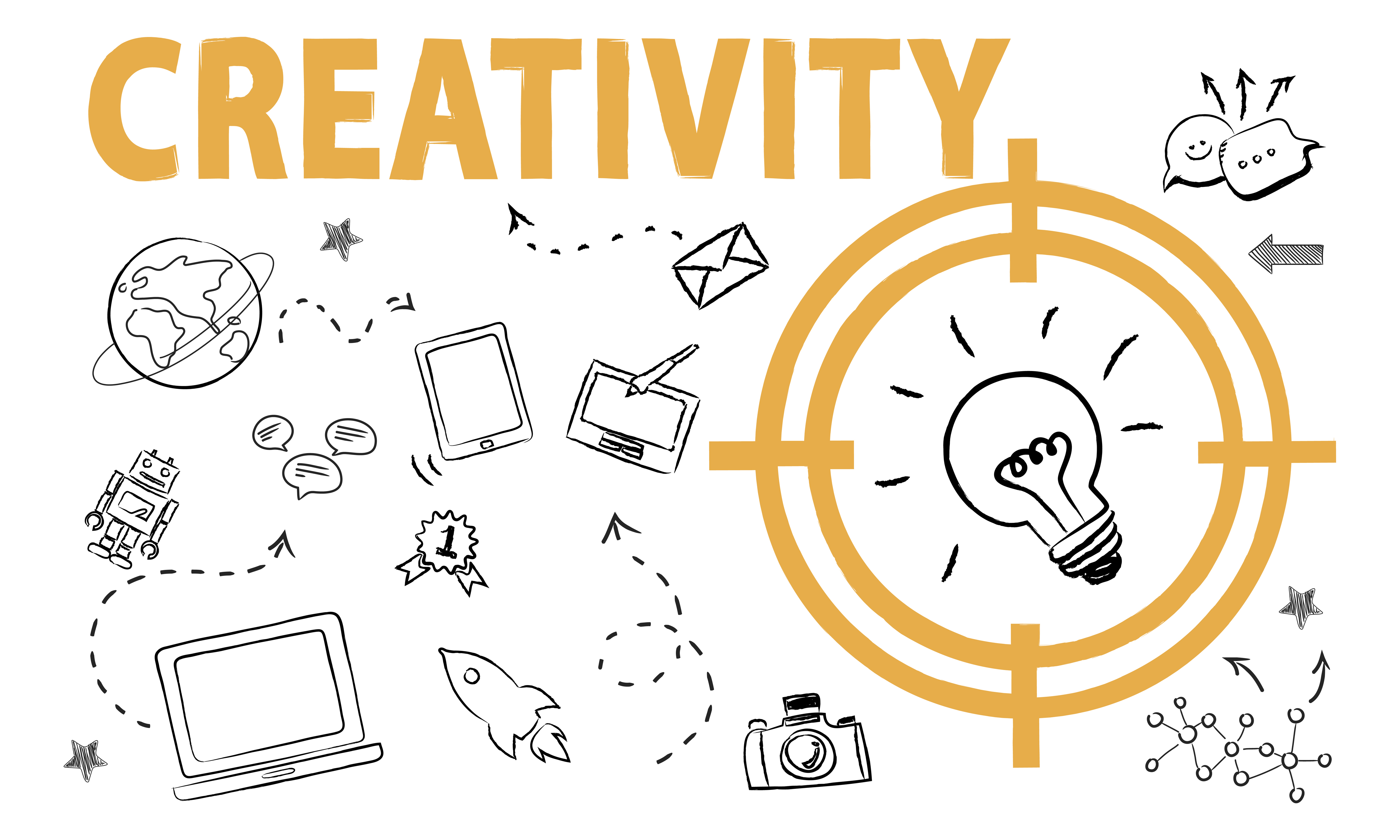
While AI can help develop and mimic ideas, it can never match the level of human imagination. From coming up with innovative solutions and art to writing engaging stories, creativity is a purely human domain.
So how can you engage in creativity?
- Diversify in Various Art Forms: Try your hand at painting, writing, or music to enhance your imagination.
- Brainstorming Sessions: Keep attending group brainstorming sessions to develop new ideas.
- Travel and Explore: Be exposed to different cultures and experiences to gain a broader perspective.
3. Emotional Intelligence (EQ)
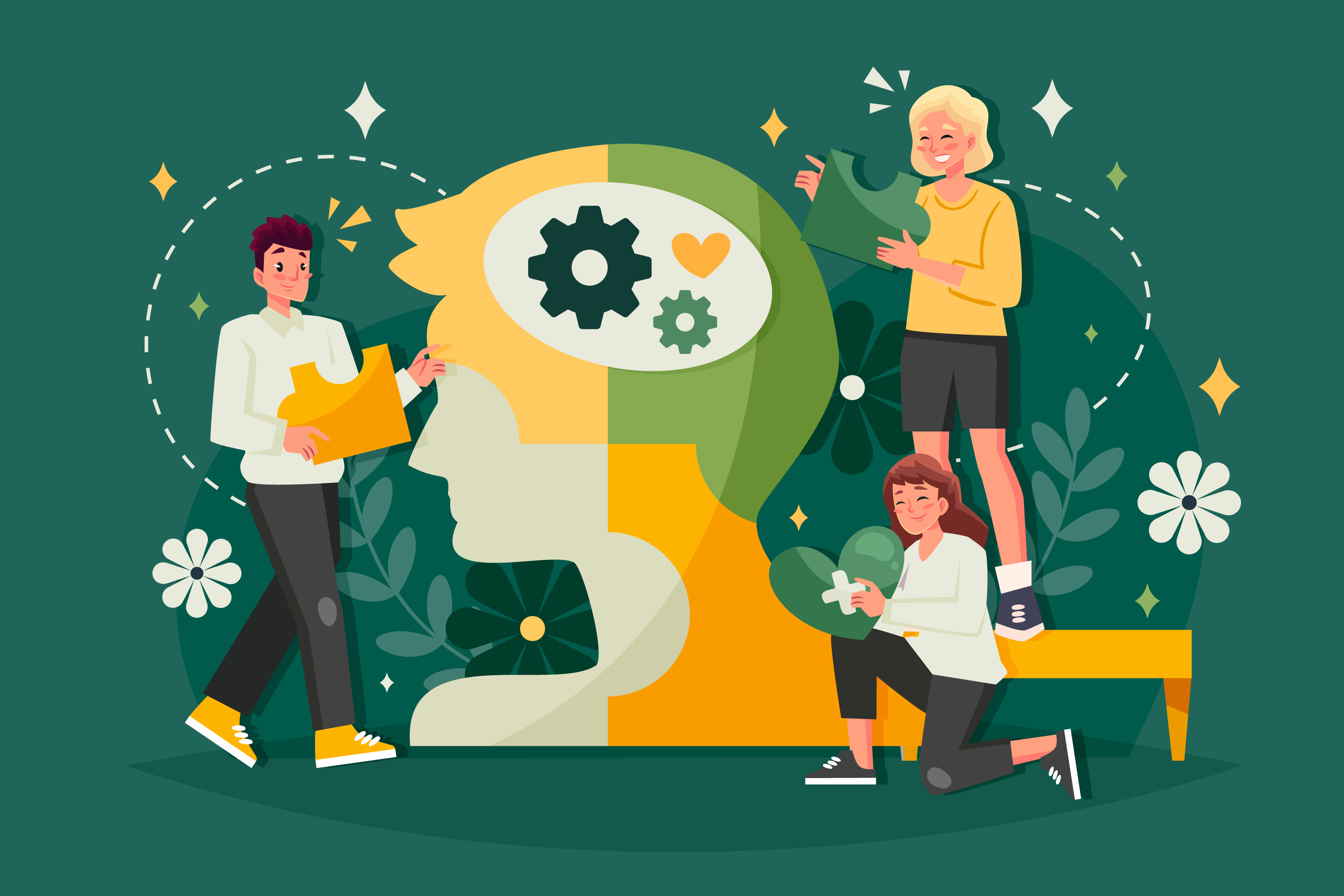
Emotional understanding and management of yourself and others are essential in relationship-building and teamwork. Competencies such as empathy, active listening, and conflict resolution are crucial to leadership and teamwork.
How do you develop emotional intelligence?
- Mindfulness Practices: Practice meditation or yoga to enhance self-awareness.
- Active Listening: Practice fully comprehending others' views when communicating.
- Feedback Sessions: Frequent feedback seeking and giving constructive feedback will improve interpersonal skills.
4. Communication Skills
Effective and transparent written and spoken communication is essential to share ideas, convince others, and build understanding. Although AI can write and speak, it cannot modify itself for sophisticated human interaction.
Developing Communication Skills:
- Public Speaking: Engage in debate clubs or presentations to hone public speaking.
- Writing Workshops: Participate in writing workshops to improve clarity and persuasive writing.
- Role-Playing: Role-play various communication situations to enhance adaptability.
5. Leadership Skills

Outstanding leadership entails inspiring teams, strategic decision-making, and handling uncertainty, all of which necessitate emotional intelligence, foresight, and flexibility that AI cannot match.
Developing Leadership Skills:
- Lead Group Projects: Assume leadership positions in group projects to learn strategic thinking and team management skills.
- Mentorship Programs: Participate in mentorship programs to learn from experienced leaders.
- Reflective Journaling: Regularly reflect on leadership experiences to identify areas for improvement.
6. Collaboration
Teamwork is essential in almost every field. Working effectively with diverse groups of people toward a common goal requires interpersonal skills that go beyond what AI can achieve.
Building Collaboration Skills:
- Team Projects: Engage in collaborative projects that require coordination and mutual support.
- Volunteer Work: Engage in community service to create empathy and teamwork.
- Feedback Loops: Provide open communication to guarantee ongoing feedback and development.
7. Ethical Reasoning
As technology advances, ethical challenges will be the rule rather than the exception. Being able to balance moral implications and make decisions on principles is a uniquely human ability that will only become more valuable in the presence of AI.
Developing Ethical Reasoning:
- Case Studies: Study actual ethical problems to enhance critical thinking.
- Philosophy Courses: Enroll in ethics and philosophy courses to better understand moral principles.
- Group Discussions: Discuss ethical problems to learn various viewpoints.
8. Adaptability

The resilience to acquire new skills and evolve with changing situations is paramount in today's fast-paced world. While AI systems are restricted by their programming, humans can reinvent themselves with creativity when confronted with unforeseen setbacks.
Developing Adaptability:
- Ongoing Learning: Stay on top of ongoing learning by pursuing online courses or workshops.
- Networking: Cultivate a diverse set of contacts to be informed of industry trends.
- Exercises in Flexibility: Train yourself to adapt to new environments using role-playing or scenario planning.
9. Problem-Solving
While AI can provide data-based solutions, open-ended or ambiguous problem-solving needs intuition, creativity, and knowledge regarding the context—abilities only found in humans.
Developing Problem-Solving Abilities:
- Puzzles and Games: Work on puzzles such as Sudoku, chess, or strategy games to improve logical reasoning.
- Projects in Real Life: Work on projects demanding practical problem-solving.
- Mentorship: Find guidance from seasoned problem-solvers to take cues from how they tackle it.
10. Non-verbal Communication
The ability to read body language, facial expressions, and tone of voice is essential in decoding others' feelings and intentions. It is something AI hasn't been able to replicate well.
Developing Non-Verbal Communication Skills:
- Observation Exercises: Practice observing and reading non-verbal signals during social interactions.
- Role-Playing: Engage in role-playing exercises to enhance sensitivity towards non-verbal signals.
- Feedback: Ask others to provide feedback on your non-verbal communication style.
11. Coaching and Mentoring
Helping others develop through guidance and encouragement involves empathy, patience, and interpersonal connection, which machines lack.
Developing Coaching and Mentoring Skills:
- Peer Mentoring: Participate in peer mentoring schemes to acquire coaching skills.
- Workshops: Attend workshops on successful mentoring methods.
- Reflective Practice: Periodically reflect on mentoring experiences to enhance effectiveness.
12. Cultural Competence
Understanding diverse cultures and perspectives is essential for effective communication and collaboration in an increasingly globalized world. This skill requires emotional intelligence and adaptability, which AI lacks.
Building Cultural Competence:
- Cultural Immersion: Participate in cultural exchange programs or travel to experience different cultures firsthand.
- Language Learning: Learn languages to understand cultural nuances better.
- Cultural Events: Attend cultural events and festivals to broaden your perspective.
Conclusion
With automation becoming increasingly common in various industries, the worth of unique human skills will become even greater. Students in college who spend time cultivating these 12 essential abilities and skills will protect their future careers and become invaluable assets in the age of AI. By pairing technical acumen with these inimitable human skills, students will flourish in the era in which humans and AI collaborate.