Classroom Innovation
8 Ways Modern Teaching Techniques and Online Tools Are Reshaping Classrooms in 2026
AUTHOR: Bewise-Admin


Walking into a classroom today feels very different from how it did just five years ago. Learning is no longer confined to blackboards, textbooks, and strict schedules. In 2026, classrooms are dynamic environments where technology, creativity, and skills intersect to prepare the new generation for the rapidly changing world they inhabit.
This shift is not about replacing teachers with technology; instead, it empowers educators to engage students and align education with the demands of the world. With adaptive learning tools and skill-focused teaching methods, modern educational techniques are transforming how students learn and how schools provide value.
Here are eight powerful ways classrooms are being reshaped in 2026.
1. Learning Is Becoming Student-Centric, Not Teacher-Centric
Traditional classrooms often relied on a "one-size-fits-all" approach. In contrast, modern teaching methods are now more "learner centered."

Today, teachers:
- Adapt their teaching to the students' understanding of the material.
- Emphasize flexible lesson structures.
- Encourage questions, discussions, and explorations.
This approach engages students at a deeper level and boosts their confidence, especially when combined with life skills education that focuses on communication, decision-making, and self-awareness.
2. AI Tools Make Learning Personalized
Artificial intelligence is no longer a future concept. It is already impacting the classrooms.
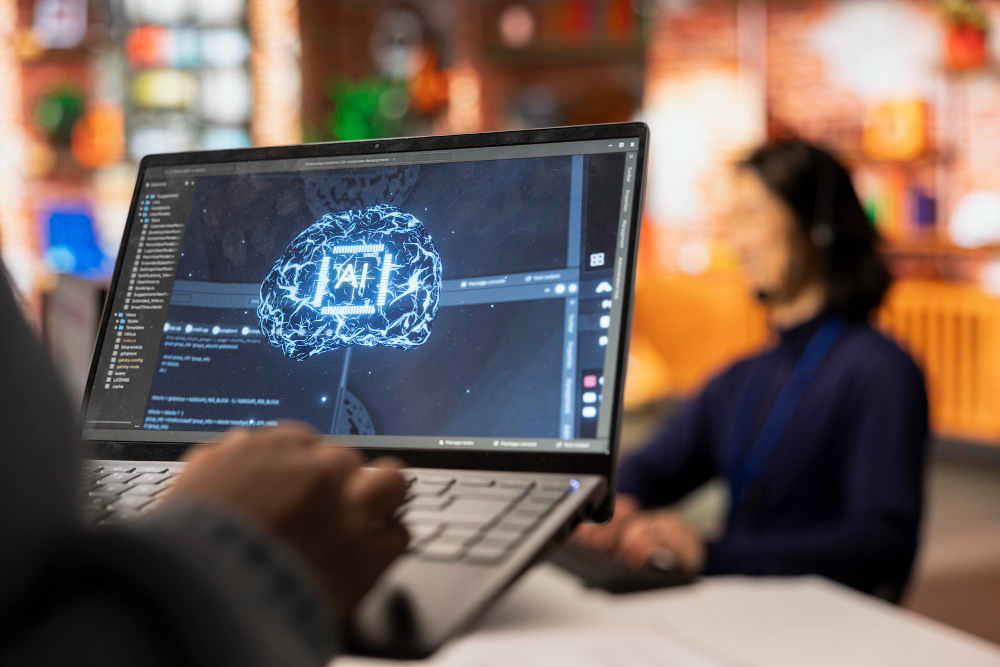
AI-powered platforms assist with:
- Identify Learning Gaps
- Recommend personalized practice
- Real-time monitoring of all activity
It is quite apparent what the advantage of artificial intelligence in education could be. Not only do students get proper assistance, but teachers also get valuable information.
3. Online Resources Enrich Learning Even Outside the Classroom
Learning now continues beyond the school bell. Technology enables students to review, explore, and practice at any time.
.jpg)
Schools are increasingly adopting:
- Online assignments and assessments
- Recorded lessons
- Collaborative learning software
This blended learning model reflects the growing trend of online educational platforms in India, providing students with greater flexibility in their studies.
4. Increasing Emphasis Shifts from Marks to Skills
Grades remain important, but they are not the sole determinants of success. In today's classroom, there is an emphasis on:
- Critical thinking
- Collaboration
- Problem-solving
- Communication
These soft skills are essential for preparing students to enter the workforce, pursue higher education, and even become entrepreneurs. By focusing on skill development and utilizing platforms like WiseConnect, educational institutions can better connect academic learning to real-world readiness.
5. Gamification Makes Learning More Engaging
Gamified lessons incorporate points, challenges, and interactive tasks to motivate students. Some benefits of this approach include:
- Higher participation
- Improved retention
- Increased curiosity
When learning is engaging, students are more willing to experiment and learn from their mistakes. This method aligns well with both educational and life skills development, particularly for younger learners.
6. Teachers Are Becoming Facilitators and Mentors
The role of teachers has evolved over time. They are no longer just transmitters of knowledge; instead, they facilitate discussions, supervise activities, and provide tutoring for individual student development. Modern teaching practices emphasize the following approaches for teachers:
.jpg)
- Asking open-ended questions
- Encouraging peer learning
- Focusing on conceptual clarity
These practices significantly enhance teacher-student relationships and help restore the important connection that is crucial to the educational process, even in an age dominated by technology.
7. Educational Apps Support Smart Learning Habits
Today, students are digital natives, and when used appropriately, technology can enhance their learning rather than distract them. Schools and parents are increasingly relying on:

- Educational applications for students
- Interactive learning systems
- Practice-based platforms
BeWise provides a compilation of the best educational apps to help promote concentration, comprehension, and healthy learning practices.
8. Data-Driven Insights Improve Academic Outcomes
Today’s classrooms utilize data to support progress rather than to create pressure.

Teachers can now:
- Track performance trends
- Identify struggling students early
- Adjust their teaching methods
These insights are crucial in improving educational outcomes while maintaining emotional balance and reducing unnecessary academic stress. This alignment helps students grasp the relevance of their learning. BeWise facilitates this transition by connecting schools with programs that focus on employability, financial awareness, and entrepreneurial thinking for students.
How WiseConnect Benefits Schools and Students
WiseConnect partners with schools, parents, and educators to bridge the educational gap between the present and the future. Through insights, programs, and carefully selected resources, WiseConnect provides institutions with the following:
- Incorporation of modern teaching methodologies
- Emphasis on life skills and financial literacy
- Strategic use of technology
When modern teaching techniques and online tools are used thoughtfully, education becomes more inclusive, engaging, and impactful.
FAQs
1.What are modern teaching techniques being used in classrooms in 2026?
Modern teaching techniques in 2026 focus on student-centric learning, blended education models, AI-powered personalized instruction, gamification, and skill-based pedagogy. These approaches move beyond rote learning and help students build critical thinking, communication, and problem-solving skills alongside academics.
2. How are online tools and educational apps improving classroom learning?
Online tools and educational apps support flexible learning by offering recorded lessons, interactive assignments, adaptive practice, and real-time progress tracking. When used correctly, online educational platforms in India help students revise concepts, learn at their own pace, and develop smart learning habits beyond classroom hours.
3. What role does artificial intelligence play in modern education?
Artificial intelligence in education helps personalize learning by identifying knowledge gaps, recommending targeted practice, and tracking student progress. AI tools support teachers with data-driven insights while ensuring students receive customized academic support without added pressure.
4. Why is there a shift from marks-based learning to skill-based education?
The shift toward skill-based education reflects the need to prepare students for real-world challenges. Modern classrooms prioritize soft skills for students such as communication, collaboration, adaptability, and decision-making, as these skills are essential for higher education, careers, and long-term success beyond exams.