Classroom Innovation
Teaching in the Age of AI: How Teachers Can Stay Relevant and Build Future-Ready Classrooms
AUTHOR: Bewise-Admin


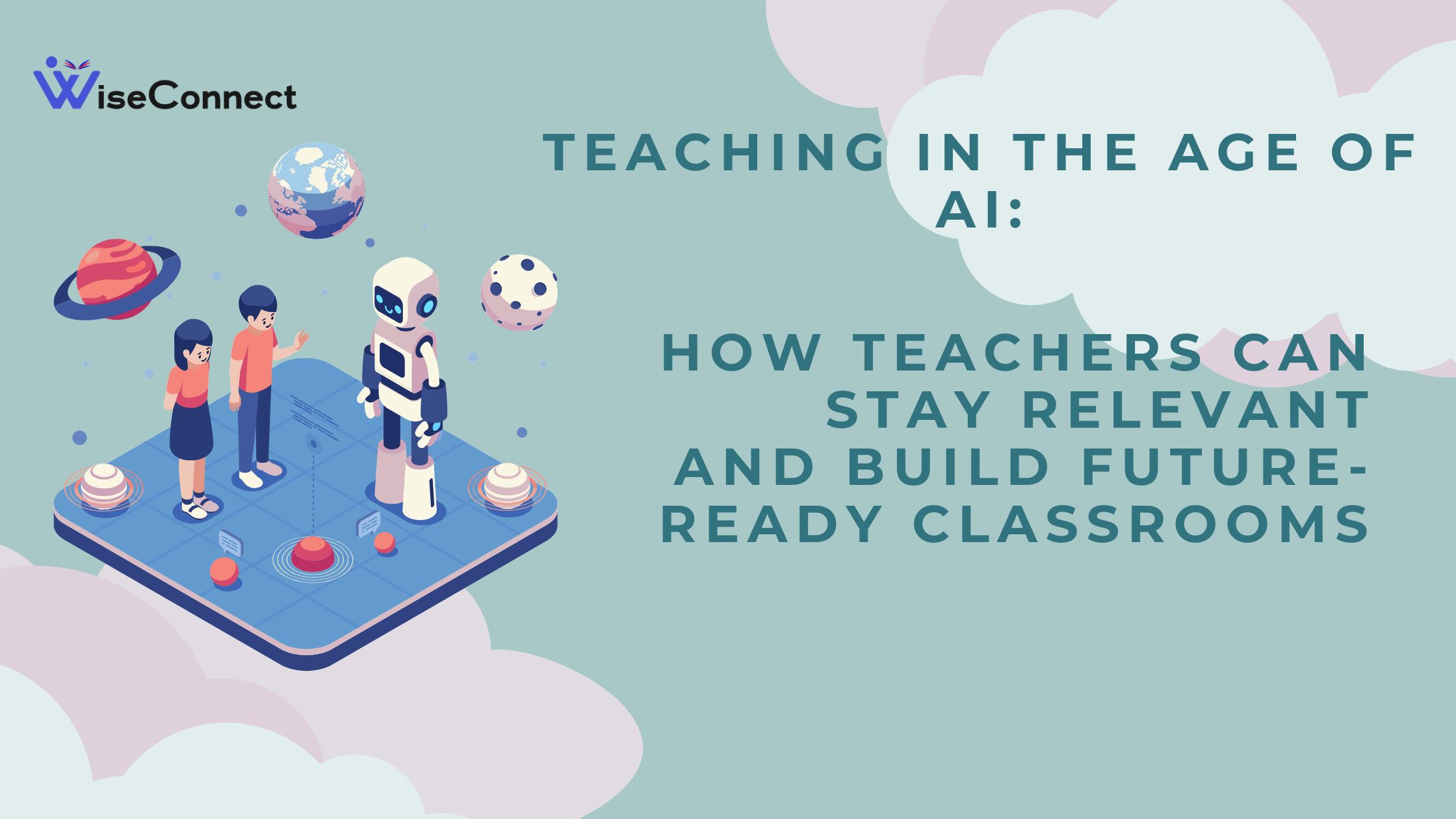
Teaching in 2025 looks nothing like it did a decade ago. From AI-driven classrooms to adaptive learning software, technology is transforming how students learn — and how teachers teach. For today’s educators, staying relevant in the age of AI is not just an option; it’s a necessity.
Worksheets, chalk, and blackboards are gradually losing space to smart screens, adaptive software, and AI-driven tools capable of grading assignments in seconds or tailoring practice exercises for each student. For teachers in India, this change is both thrilling and daunting. On the one hand, AI in education has the potential to reduce mundane tasks and unlock new methods of engaging students. Conversely, it presents challenging questions: What do I do if AI can provide answers? How do I remain relevant in an AI-led classroom?
The fact is, AI is not substituting for teachers. It is redefining the very job of teaching. The future will be held by those educators who can harness technology judiciously, while emphasising the distinctly human talents no algorithm can match.
The Evolution of Education: Why AI is Revolutionising the Game
In India and across the world, AI in education is revolutionizing teaching. From automating grading to tracking student progress, AI tools are freeing up time for teachers to focus on mentoring and career counselling and recommend individualised interventions. Rather than replacing educators, AI allows them to focus on human-centered skills like empathy, guidance, and creativity.
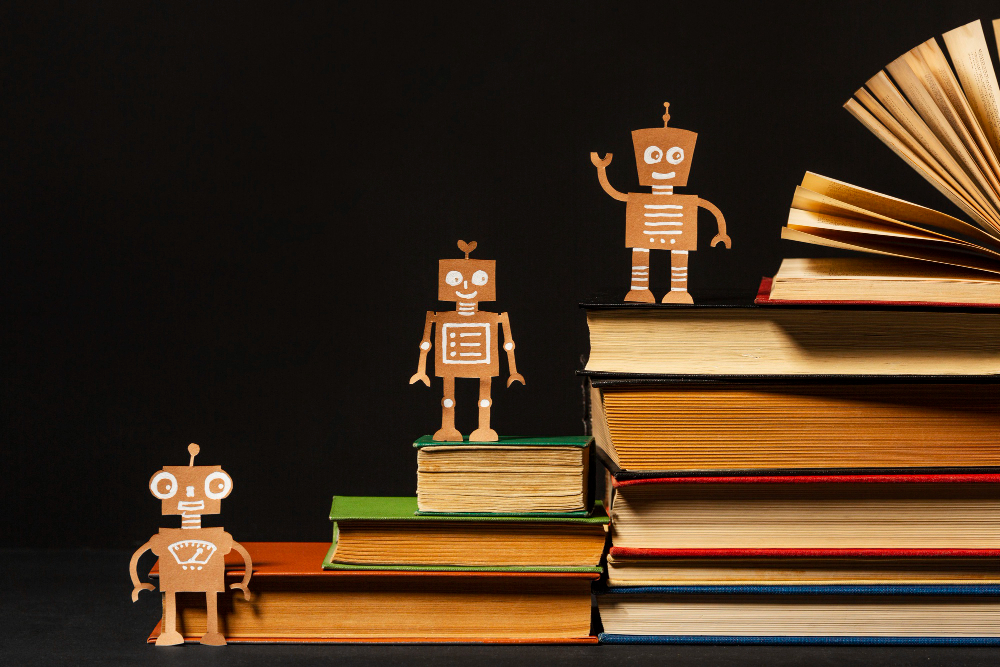
This implies that the teacher is no longer simply passing on information. Rather, teachers are becoming guides, facilitators, and mentors who assist learners in thinking, appropriately applying information, and establishing values in the presence of technology.
What Teachers Should Teach in an AI-First Classroom
If AI can generate information in seconds, the focus must be on skills that will allow students to utilise that information creatively and responsibly.
1. Critical Thinking for the AI Age
They must learn to question AI results, identify biases, and determine whether information is credible. Teachers can facilitate this by having students compare research with AI results for a project or by asking them to base their opinions on evidence. Teachers can help develop life skills for students such as critical thinking and digital discernment — abilities that go beyond AI-generated answers.
2. Instruction in the Ethics of AI Use
AI is powerful, but it has the potential to be misused. Ethical literacy must become a key part of modern teacher training programs to help educators guide students responsibly in an AI-first world. From assignment plagiarism to discriminatory algorithms, schools must teach learners about the responsibility that comes with AI usage. Ethics, privacy, and fairness class discussions can lead young learners to become aware digital citizens.
3. Making Real Digital Literacy
It is not enough to know how to use apps. Students must learn more about how digital systems work, what data they collect, and how to protect their digital selves. Courses in safe browsing, data security, and avoiding misinformation are as important as math and science today.
4. Fostering Creativity and Problem-Solving Beyond Automation
AI can replicate patterns but not human creativity. The students need to be motivated to participate in exercises like design thinking workshops, group projects, hackathons, and arts that challenge them to be innovative. The objective is to make them use AI as a tool and not a crutch.
How Teachers Can Get Up to Speed with AI
For most teachers, the greater challenge is personal: How do I learn to teach using AI if I was educated in an era without it? The good news is that it's easier to start than you might think. Teachers looking to upskill can start by joining certified teacher programs or AI-focused educator workshops.
1. Upskilling Programs and Certifications
Teachers can register for brief online certifications, participate in workshops, or take part in webinars on AI in education. Coursera, edX, and Indian EdTech firms are now providing educator-friendly modules specifically designed for use in the classroom.
2. Working with AI Tools in Day-to-Day Teaching
Learning by doing is the quickest way. Educators can try out AI applications to create lesson plans, conduct interactive tests, grade, or even build personalised study aids. The more that educators get their hands dirty using these tools, the more comfortable they will become with integrating them into their teaching.
3. Developing a Continuous Learning Mindset
AI will continue to develop. That implies that teachers need to do the same. Rather than dreading "not knowing enough," educators need to be curious and remain receptive to learning new tools every year.
Challenges Schools Need to Overcome
In India, the biggest barrier to adopting AI in education is not technology—it’s teacher professional development. Schools must invest in regular AI awareness workshops, provide stable digital infrastructure, and collaborate with teacher networks to train educators effectively.
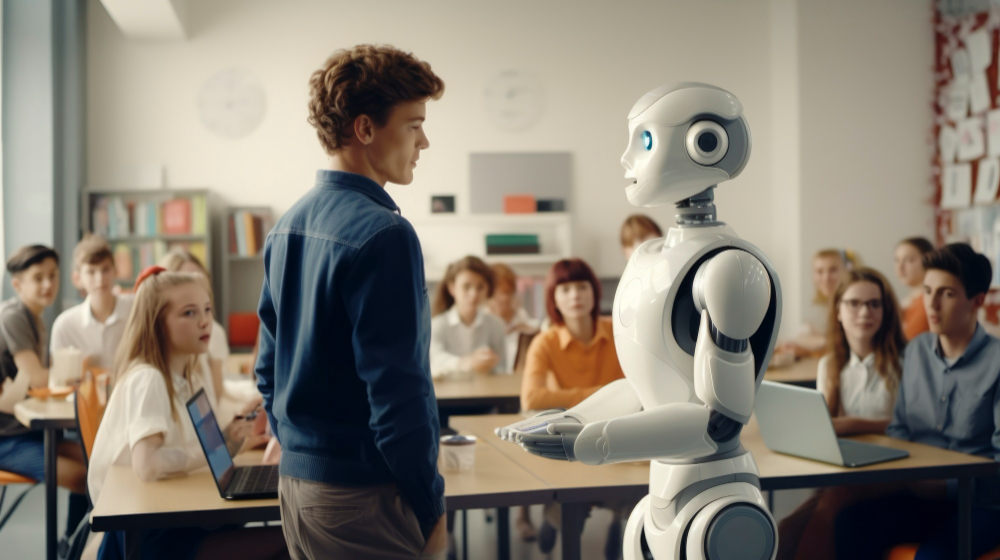
- Teacher Training Shortfalls: Teachers remain underprepared to effectively employ technology. Hands-on training on a regular basis is necessary.
- Infrastructure Preparation: Not every school, particularly in semi-urban and rural India, has stable internet, devices, or IT support. Equity needs to be addressed before all can benefit from AI.
- Establishing Teacher Confidence: The largest obstacle is probably fear. Some teachers fear AI will render them obsolete. Schools need to reassure and support teachers to view AI as an aid, not a threat.
Teaching in the era of AI is not about replacing machines. It is about being more engaged in what makes teachers indispensable: helping students think critically, work responsibly with technology, and design solutions that matter.
The best teachers of tomorrow will not be replaced by AI — they will work alongside it. Educators who embrace AI in education, stay curious, and continue learning will be the true innovators shaping future-ready classrooms in India. The path begins with upskilling, testing, and being inquisitive and schools that enable their teachers to do so will develop learners for the future. You can also visit https://wiseconnect.bewise.in/to learn more.
FAQs
- How is AI changing the role of teachers in the classroom?
AI in education is automating tasks like grading, attendance, and lesson planning. This shifts the teacher’s role from being an information provider to becoming a mentor and guide who fosters critical thinking, creativity, and ethical use of technology. - What should teachers focus on in an AI-first classroom?
In AI-driven classrooms, teachers should focus on teaching critical thinking, ethics of AI use, digital literacy, and creativity. These skills ensure students use AI tools responsibly while developing the human abilities that technology cannot replace. - How can teachers upskill to use AI in education?
Teachers can upskill through online certifications, workshops, and AI in education training programs. They can also practice using AI tools in lesson planning, assessments, and interactive learning activities to build confidence and integrate technology effectively. - What challenges do schools face in adopting AI in classrooms?
The major challenges of AI in education include lack of teacher training, limited infrastructure in rural or semi-urban schools, and teacher confidence. Overcoming these requires investment in professional development and providing teachers with supportive, hands-on AI exposure. - Can AI help teachers with career counselling or student guidance?
Yes. AI-powered tools can assist teachers in career counselling by analysing students’ strengths and interests to suggest academic and career paths. However, only certified teachers can provide the human insight and empathy that truly guide students.