Communication & Relationship Building
Effective Parent-Teacher Communication: 5 Modern Strategies That Work
AUTHOR: Bewise-Admin


.jpg)
Improving the parent-teacher relationship
One of the strongest predictors of student success is effective parent-teacher communication. In today’s world of hybrid learning environments, digital classrooms, and busy family schedules, establishing strong school-home partnerships is more essential—and more challenging—than ever.
However, the fact remains that when families and schools communicate regularly and clearly, students are supported on both fronts. That's when genuine learning takes hold.
So, how do we close the gap in this age of technology? These five practical strategies can assist schools and teachers in creating a more engaged, collaborative community.
1. Use Multiple Communication Channels, Not Just One
The good old days of a note in a student's backpack are gone. Parents today demand timely, adaptable, and digital-friendly means of staying in touch. Schools can use edtech platforms for parent engagement that integrate communication tools like school apps, SMS alerts, and online parent portals.
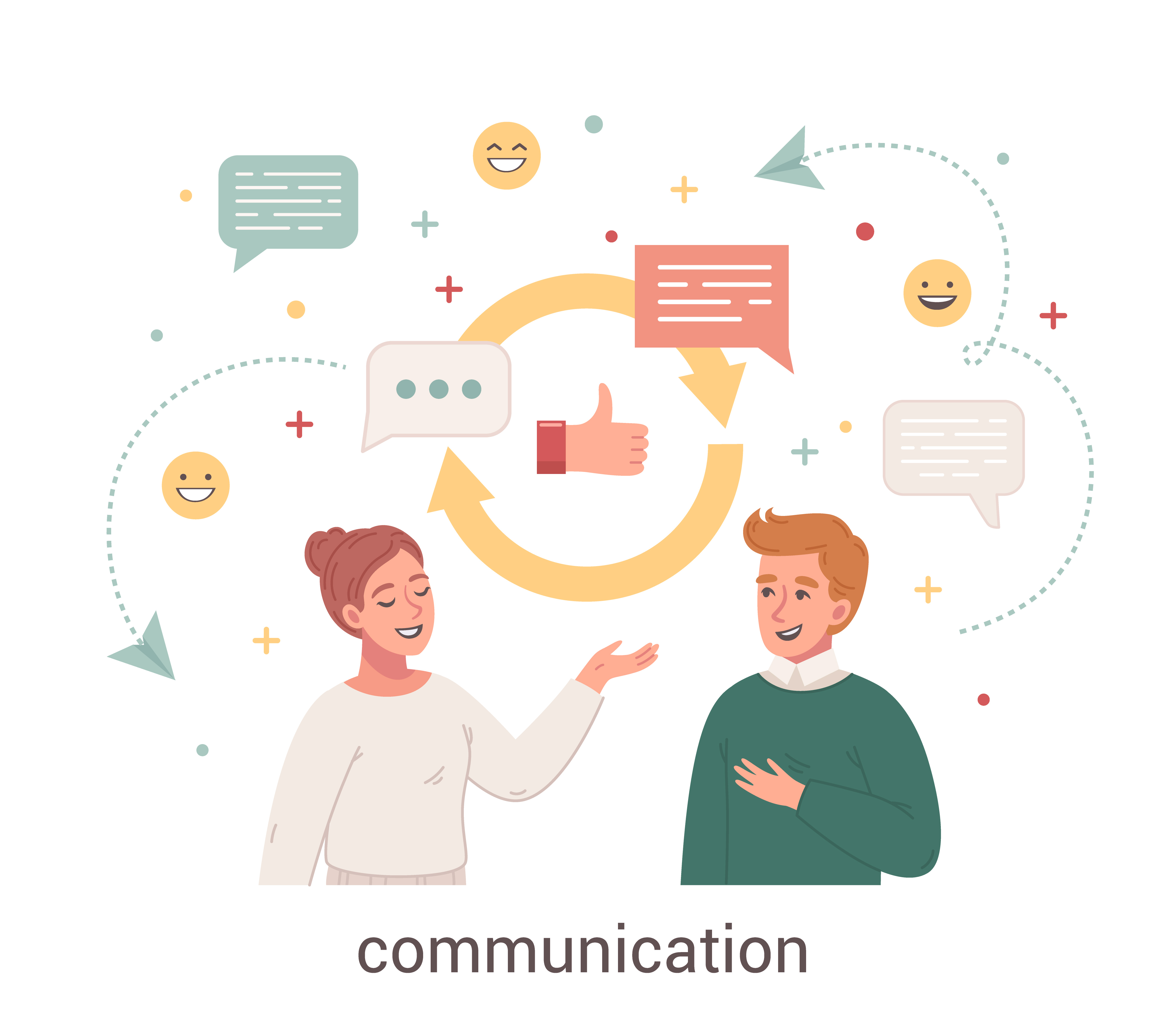
To enhance participation, schools must use multi-channel communication approaches, such as:
- Mobile apps for instant updates
- Emails for newsletters or formal circulars
- SMS reminders for instant notices
- Provide insights on the level of engagement for different classes
- Remind and nudge low-participating families if required
- Online portals to access grades, homework, and event info
- Virtual parent-teacher meetings via Zoom or Google Meet
The key is to meet parents where they are - on their phones, inboxes, or online dashboards- and ensure no family misses out.
2. Make Communication Two-Way, Not Just Informative
One of the biggest mistakes schools make is treating parent communication as a one-way street. In 2025, we need to move beyond sending reminders and announcements.
Encourage two-way parent-teacher interactions by:
- Creating regular feedback loops through surveys or forms
- Allowing parents to ask questions or share insights via class apps
- Holding open forums or coffee mornings for informal dialogue
- Ensuring quick response times to parent queries
Two-way parent-teacher communication builds trust and improves parental involvement in education, which directly supports student outcomes. When parents feel heard, they're more likely to work with teachers and support learning at home.
3. Personalize the Approach for Better Connection
No two families are the same. An employed single parent might like asynchronous updates, whereas another would like live feedback between school hours. Adopting inclusive communication strategies—like offering multilingual updates and respecting diverse preferences—builds stronger school-family partnerships
To customize communication:
- Begin the school year by asking parents how and when they'd like to be contacted
- Respect cultural sensitivities and language differences
- Offer translated updates or multilingual sessions where needed
- Use name-based, direct messages instead of generic bulk notes
This reflects empathy, and in return, parents are more likely to trust and collaborate with the stakeholders of the school community.
4. Host Student-Led Conferences and Interactive Events
Traditional parent-teacher meetings are often rushed, formal, and focused solely on performance. In 2025, a more impactful approach is inviting students to lead the discussion.

Student-led parent-teacher conferences help by:
- Giving students ownership of their progress
- Encouraging reflective thinking and self-assessment
- Enabling parents to look beyond marks and numbers
- Establishing honest, three-way communication between child, parent, and teacher
You may also organize virtual learning shows, open houses, or talent exhibitions that engage parents more with their children's daily lives. By promoting student-led conferences, schools empower learners to take ownership, enhancing both academic accountability and collaborative parent-teacher relationships.
5. Use Technology to Track and Support Engagement
Edtech is no longer just for online classes. It's also transforming how schools manage relationships with families. With the right platforms, schools can track how involved parents are and step in when someone's missing out.

Use parent-teacher communication tools that:
- Log and timestamp every message or call
- Track attendance at virtual PTMs or events
- Offer data insights on engagement levels across different classes
- Send reminders and nudges for low-participation families
Platforms like ClassDojo, Google Classroom, or bespoke school-parent engagement software help schools track participation and build data-driven communication systems.
Relationships First, Results Follow
Effective school-parent collaboration is the foundation of modern education. Institutions that prioritize parental engagement strategies will build stronger, more successful learning communities.
By 2025 and beyond, the best-performing schools will be those that handle communication not as a burden but as a collective responsibility and continuous conversation.
If you're an educational institution or teacher who wants to adopt effective and innovative parent engagement strategies, platforms such as BeWise can assist you in creating systems that work in your situation.