Classroom Innovation
Teaching Gen Z & Alpha: Strategies That Actually Work in Today’s Classrooms
AUTHOR: Bewise-Admin


How to Build Inclusive Classrooms for Every Learner
In every classroom, there's more than just a syllabus being taught. There are stories, strengths, struggles, and dreams bubbling at every desk. And yet, many students feel unseen because their learning needs don't fit the "average." But the truth is, there is no average student.
Inclusive education in India is often misunderstood as creating checklists or separate interventions. But true inclusive learning environments begin with rethinking how we teach, not what we add. It starts with one question - How do we ensure that each child feels that they are important here? Whether it's a student with a learning difficulty, one struggling with anxiety, or simply a child who learns in a non-traditional way, the goal is the same. See them. Support them. And make them feel safe to be true to their authentic selves.
Let's explore how schools and educators can start making inclusion a natural part of every classroom.
Inclusion Starts with Mindset
Before discussing tools or techniques, we need to talk about attitude. Inclusion is not a policy. It is a belief. It means believing that every child can learn and thrive when they are supported in the right way. It also means challenging our own assumptions. The quiet child may not be disengaged. They might be overstimulated. The restless one may not be acting out to disrupt the class. They could be trying their best to cope in a classroom that does not support their learning style.

An inclusive educator doesn't label a student. They look for what lies underneath, fueling their behaviour. This shift alone can change everything.
Different Brains Need Different Roads
Not every child will take the same path to understand the same lesson. That's not a problem. That's just how humans are wired. Inclusive teaching means offering different ways to access a concept. Visuals, discussions, storytelling, hands-on learning, movement and even humour. The more variety teachers provide, the more likely they are to reach everyone.
Providing multiple learning methods isn't about simplifying content. It's about unlocking it. A student who learns differently isn't slow. They just need a different door.
Learning Needs Safety First
Academic success begins with emotional safety in classrooms. This is especially true in inclusive classrooms for students with learning disabilities, where the fear of judgment can block engagement. In inclusive classrooms, mistakes aren't punished. They are treated as part of the process. Help is not a last resort. It is a tool always within reach. Students with learning challenges often face fear of judgement. When a teacher creates a space where all learning styles are welcomed, that fear begins to dissolve. And learning begins to bloom. When teachers provide the support that children fail to receive at home, they will naturally pivot towards expressing their needs and concerns, which can pinpoint the main reason for their lack of academic success, thereby increasing the chances of targeted improvement.
Peer Groups Can Be Useful Allies
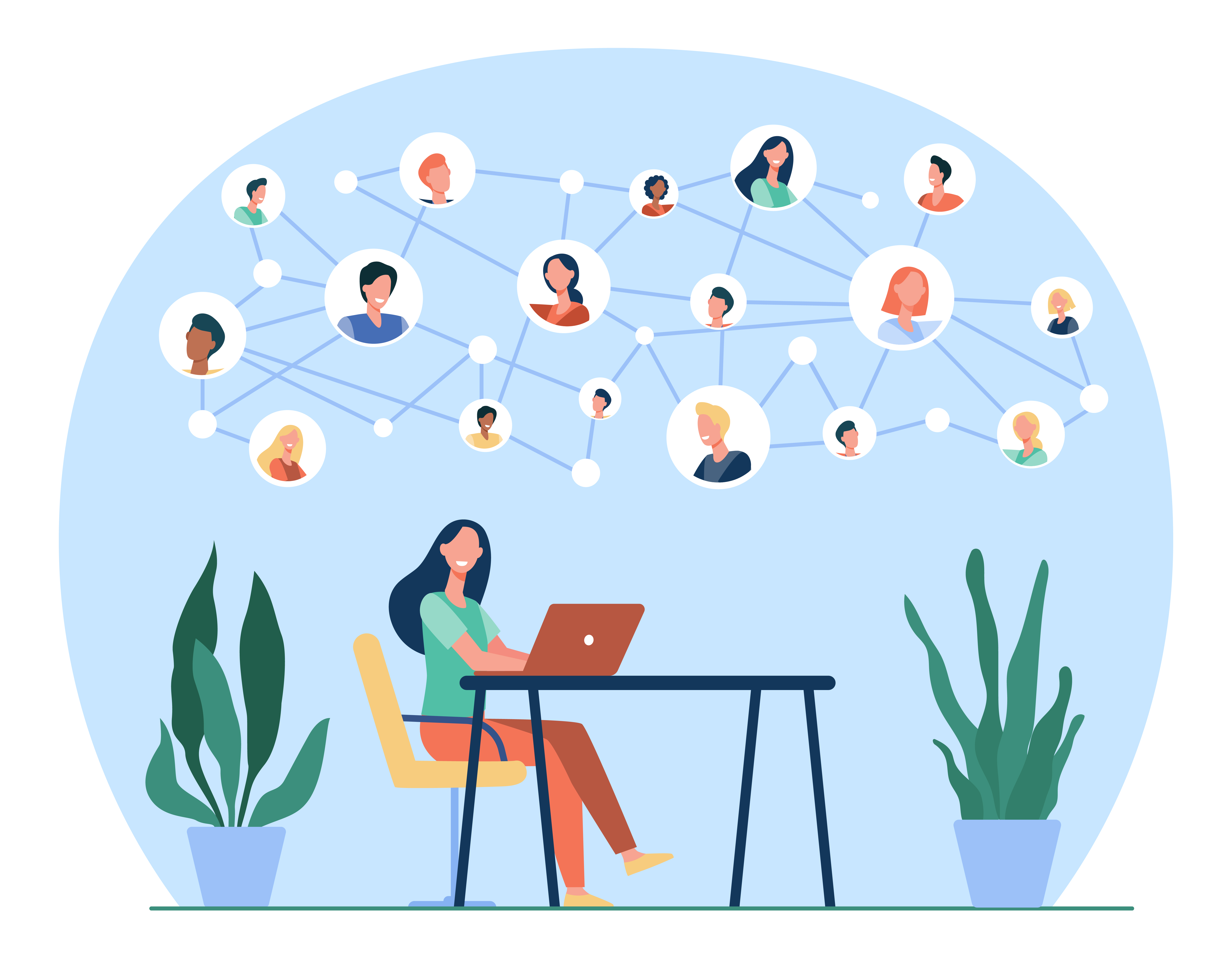
Most schools correlate inclusion with isolating a few children into special care. This simply exacerbates their problems. The solution does not lie in creating special schools for children but in building a culture where all students learn from and with each other. Peer support and vicarious learning do magic. In fact, one of the tenets of Vygotsky's philosophy (a name that is no secret in the education industry) was the concept of teachers scaffolding the children and helping them learn from their peers who are more knowledgeable instead of directly from the tutor. Children who are placed together in mixed-ability groups develop empathy and confidence. They become understanding and compassionate. This kind of culture doesn't develop overnight. It's a series of purposeful, incremental steps. But when it happens in the classroom, it can change the learning landscape for everybody.
Tech as a Tool for Equity
Technology can be used to unlock doors that have been left shut by traditional methods. Speech-to-text programs, audiobooks, and interactive learning sites offer students various paths to understand and convey concepts. To many, they are not conveniences but required tools that turn ambiguity into clarity. But is merely making them available sufficient? Educators require education on how to effectively incorporate them meaningfully into regular lessons. When used with intention, technology doesn't overwhelm. It helps students engage, participate, and succeed on their own terms.
Parents Are the Strongest Partners
Parents are often the first to spot a child's unique learning needs. That insight is invaluable. Yet schools bring parents into the loop only when there is a problem. That needs to change.
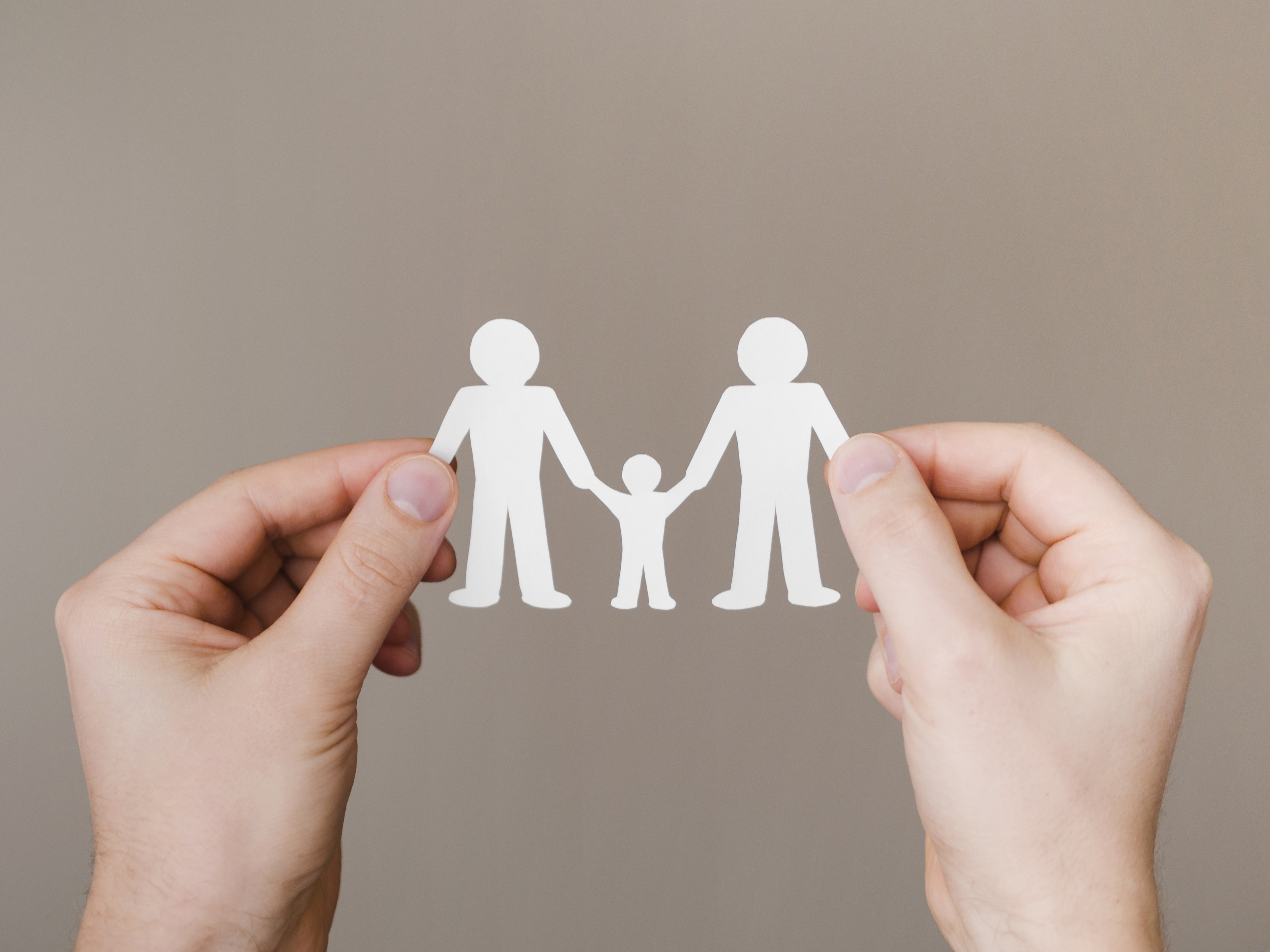
Inclusion becomes stronger when teachers and parents collaborate to support children at school and at home. Regular check-ins, shared strategies, and open conversations help build trust. And when a child sees that the adults in their life are working as a team, they feel more supported.
Support Teachers with Real-World Training
Despite today’s diverse classrooms, many teacher education programs overlook inclusive education teacher training. Classrooms today are more diverse than ever. Teachers need to be equipped to handle that reality. Workshops on learning differences, mental health, classroom management, and inclusive practices should be built into ongoing professional development. This is not an optional or an additional certificate training from the school. It has to be treated as an essential and mandatory qualification.
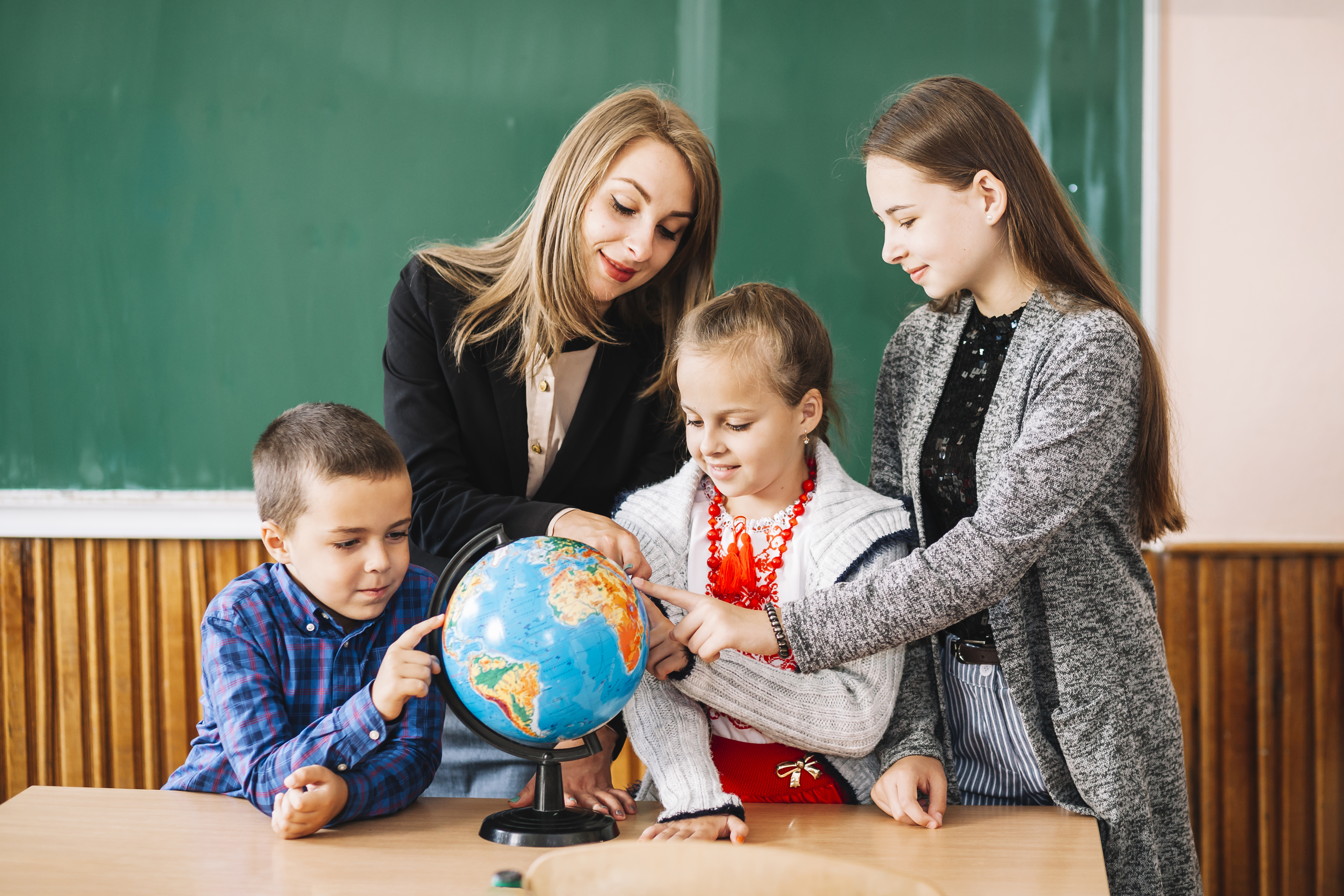
No child should have to earn the right to be included. It is not something we do out of kindness. It is something we owe every learner. When classrooms are more inclusive, all students benefit. They learn respect. They learn resilience. They learn to celebrate differences, not just tolerate them. And as everyone knows, children learn from watching adults do and not tell. They need teachers to be the role models that create inclusivity and equality.
Education is not just about covering a syllabus. It is about uncovering potential. Inclusive classrooms are where that journey begins, not just for students with special needs but for every child who has ever felt different. Because when we build a classroom where everyone belongs, we create a future where everyone matters.
If you are a teacher who wants to know what the best inclusive education methods of teaching are or where you can learn about inclusive learning environments, you can connect with the author of this article.